pH and ORP sensors (Idronaut)
|
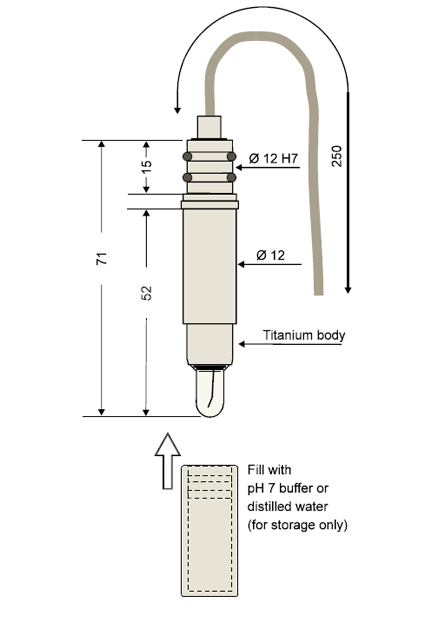
Fig. 73. pH sensor
|
pH reference KCl(KCl) Reference electrode for pH & oxidation-reduction potential measurements; it uses a special ceramic-less junction design. pH reference NaClIdronaut developed an innovative NaCl gel reference electrode to minimise the diffusion potential at its junction, which causes systematic pH errors on seawater measurements and related calibration.
|
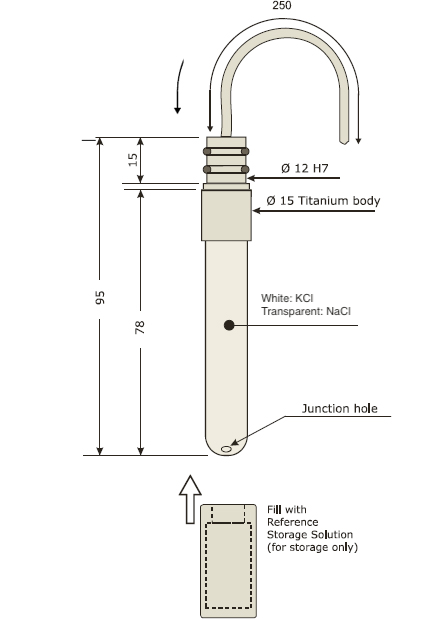
Fig. 74. pH sensor reference
|
Oxidation-reduction potential (ORP) sensor
|
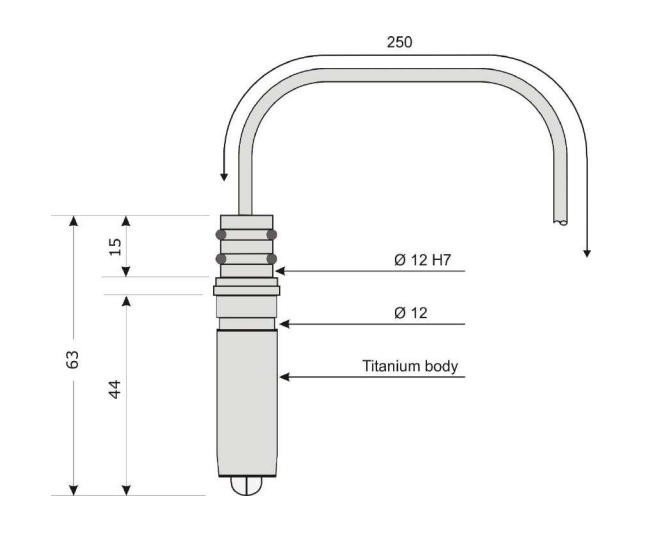
Fig. 75. ORP sensor
|
Care and maintenance
Storage
Store the Idronaut pH sensors in the dedicated storage cap half-filled with pH 7 buffer solution or distilled water. Store the reference sensors in the dedicated storage cap half-filled with KCl or NaCl solution. Storage caps are provided with the instrument. Contact RBR if a replacement is needed.
Check the sensor performance after any extended period of storage. Remove the storage cap before using the sensors.
|
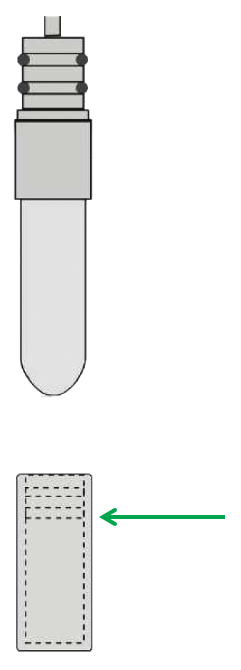
Fig. 76. Storage cap for the Idronaut pH sensor
|
Cleaning
Over long term deployments, a buildup of deposits can block the ion-sensitive glass membrane. This would prevent the electrode from detecting any hydrogen ions and the readings would stay at ~pH 7. If this happens, contact RBR for support.
Calibration
Calibrate the Idronaut pH sensor before each deployment, using three buffer fluids. Repeat every day that the electrode is used, for optimum accuracy. See Ruskin User Guide: Standard Instruments³3 for details.