RBRcoda T.ODO care and maintenance
The RBR optical dissolved oxygen sensors have an oxygen-sensitive substrate that requires special care. Any damage will permanently affect performance.
|
Avoid direct sunlight. Never touch the sensitive element while cleaning or handling. Use the storage cap when the sensor is not in use. |
Storage cap
Your RBRcoda T.ODO instrument comes with a specialised storage cap (see Fig. 12), designed for a sensor mounted inside the glider. This storage cap has an opening for refilling the water with a syringe. |
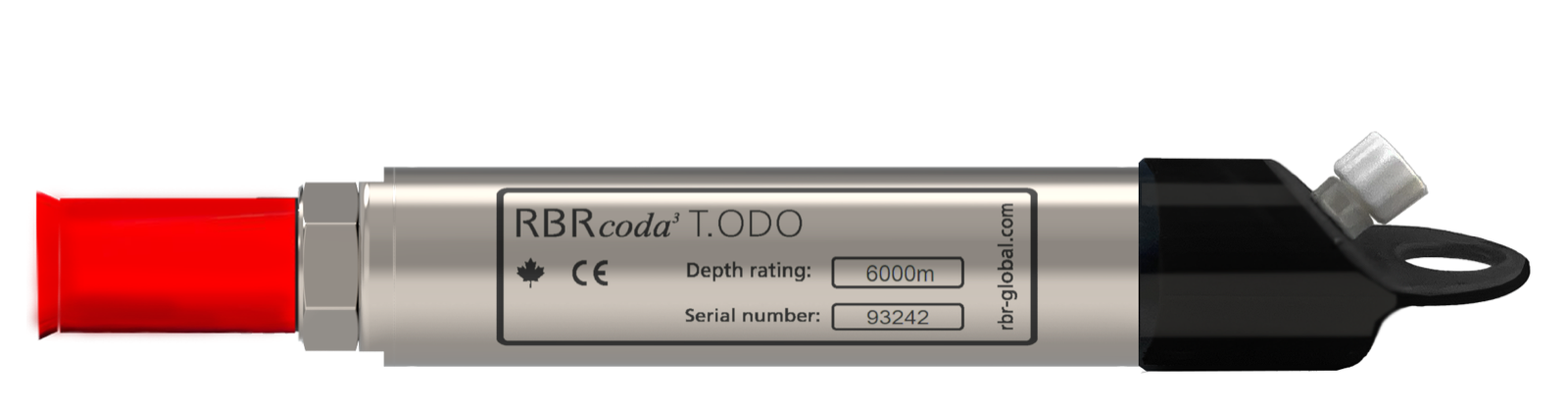
Fig. 12. An RBRcoda T.ODO with storage cap.
|
Storage
Store the RBR optical dissolved oxygen sensor in the dedicated storage cap to protect it from damage.
Storage caps are provided with the instrument. Contact RBR if a replacement is needed.
Short-term storage (three weeks or less)
|
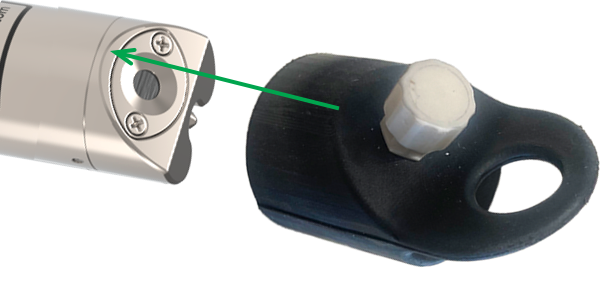
Fig. 13. Push the storage cap until it stops.
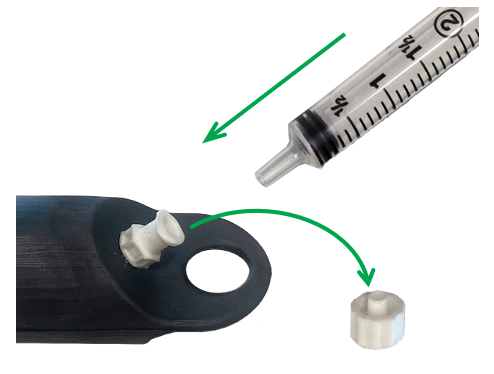
Fig. 14. Gently push down the piston to inject until full.
|
Long-term storage (more than three weeks)
|
For longer storage periods, store your sensor dry. Rehydrate for five days before deployment. |
-
Place an empty cap on the sensor and gently push down until it stops.
-
Before deployment, refill the cap with distilled water following the same steps as for short-term storage (above) and rehydrate for five days.
It takes up to five days for a dry ODO sensor to equilibrate after being placed in water. Insufficient hydrating time before deployment may lead to unreliable data.
First deployment
RBR ships the RBRcoda T.ODO instruments with a hydrated storage cap on, so that the instrument is ready for its first deployment.
However, long transportation times and low cabin pressure may cause the water to evaporate. Verify that the storage cap is still wet. If not, rehydrate the sensor for five days before deployment.
|
Do not exceed the maximum depth rating (6000m). Do not apply physical stress to the housing. Do not attempt to open the sensor. |
For mooring or mounting applications, contact RBR for proper clamps and brackets. Improper mounting may damage the sensor.
Before any subsequent deployment, rehydrate the optode for at least five days.
Calibration
Check your sensor calibration before each deployment in saturated fresh water. If the readings are not within 1% of 100% saturation, recalibrate the instrument using a one-point calibration. Typically, | fast instruments may need recalibration more often than standard or | slow. See Ruskin User Guide: Standard Instruments³ for user calibration instructions.