Using the internal USB port
If the instrument is not connected to a charged internal battery, an external power supply is needed. |
Connecting to the internal USB port
|
The internal USB port should only be used in a raised, dry, covered area, such as an indoor lab bench, the back of a hatched vehicle, or an outdoor table covered by an awning. |
Intended uses
-
Configuring or updating the instrument.
-
Retrieving data from the instrument.
-
Performing detailed diagnostics on the instrument.
To use the internal USB port
|
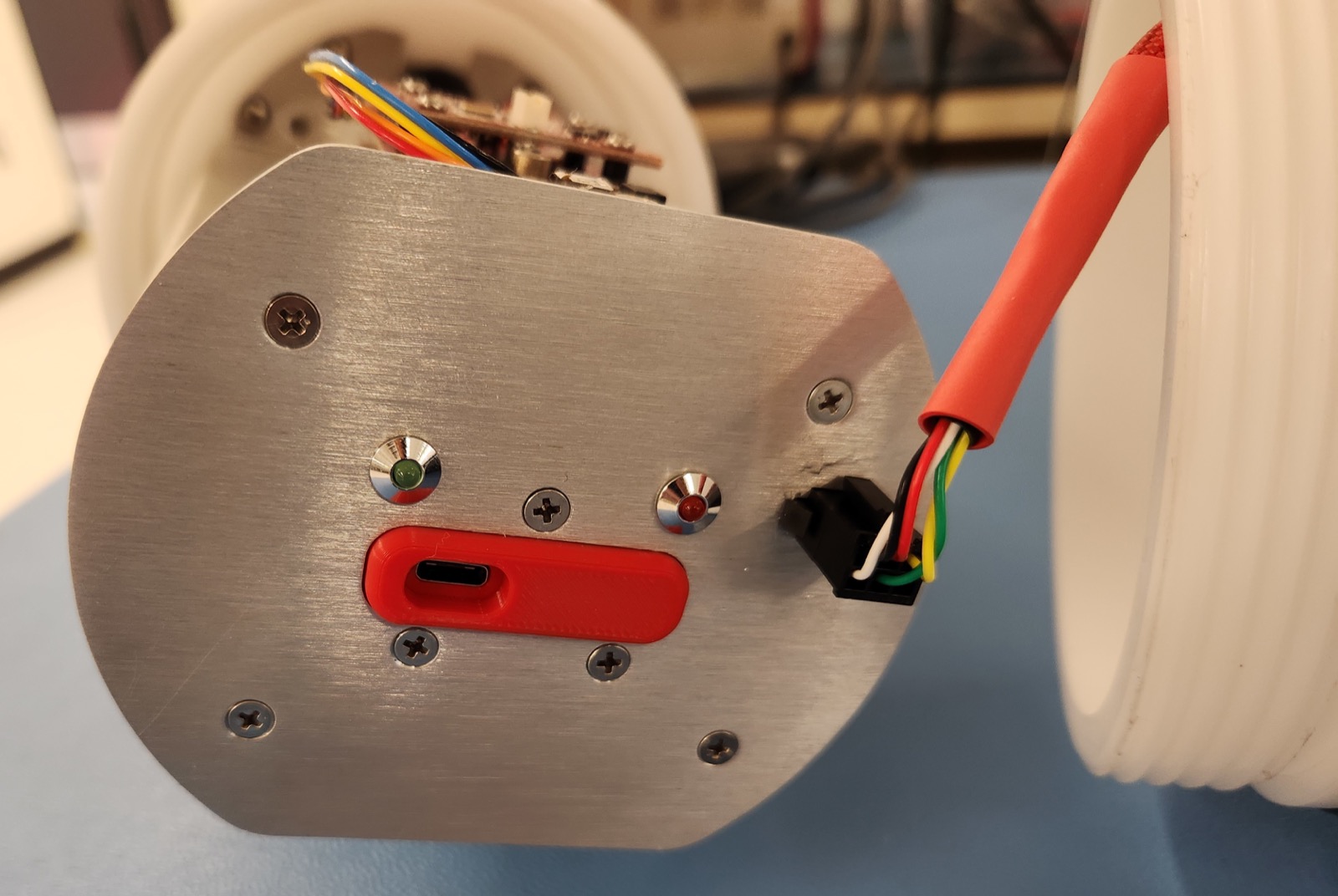
Fig. 2. USB-C port on the internal RBRcervello faceplate
|
Windows
On a Windows-based workstation, use any terminal emulator console that supports a serial port, such as Tera Term.
Tera Term
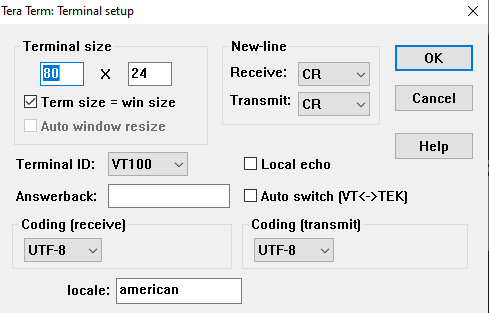
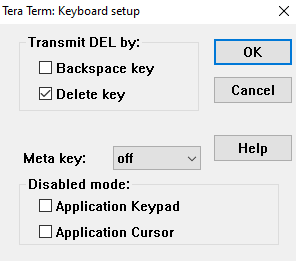
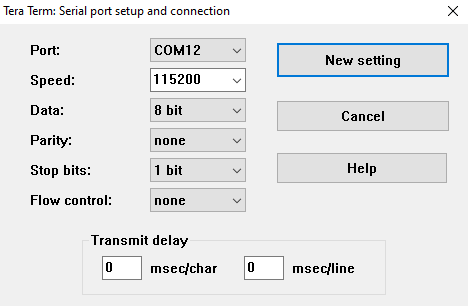
Tera Term is an open-source terminal emulator that lets you connect to hosts via serial port or the network. The default settings should work with the RBRcervello interface. In the unlikely event when they do not, load the configuration file provided below using the "Setup→Restore setup" menu.
Alternatively, configure the settings manually as follows:
|
|
|
|
|
|
|
Highlighting text on the terminal automatically copies it to the clipboard. Right-clicking on the terminal will paste the saved text on it. |
Linux
On a Linux-based workstation, use any terminal emulator console that supports a serial port, such as Minicom.
Minicom
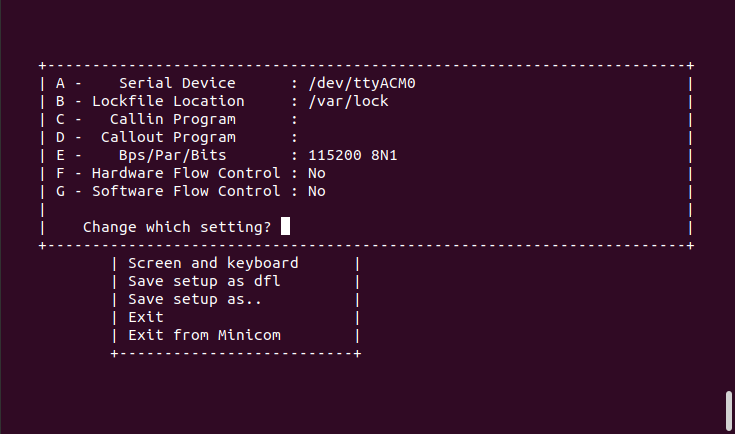
Minicom is a serial communication program that connects to devices through a GNU/Linux serial ports. Use the "-s" command to set up the terminal with the right port and settings, or execute it with explicit settings at runtime with the correct device:
minicom -D /dev/ttyACM0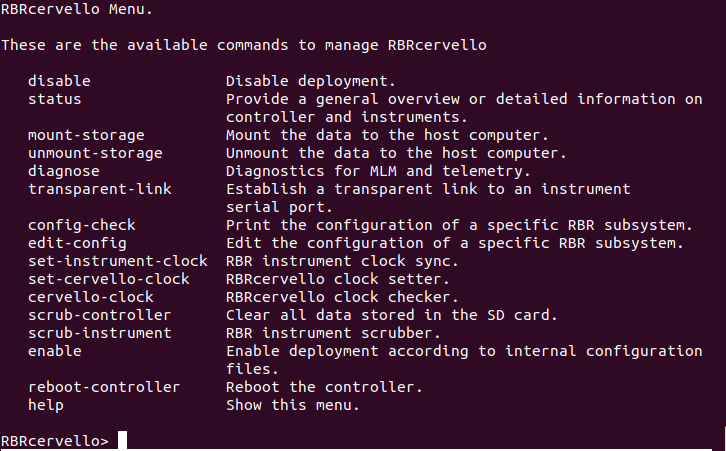
|
To copy and paste text from and to a Linux terminal, use Ctrl+Shift+C and Ctrl+Shift+V. |
|
Due to the nature of virtual serial ports, the baudrate is unimportant and can be set to an arbitrary value. |
Diagnostic menu overview
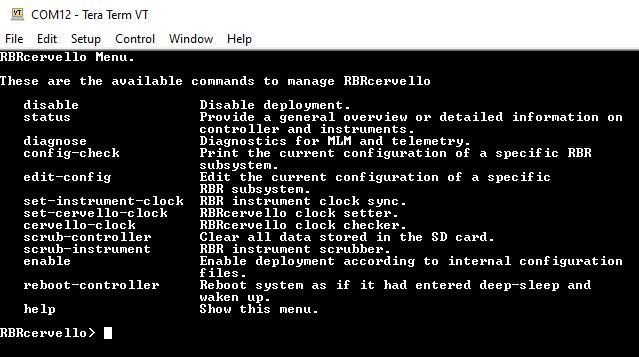
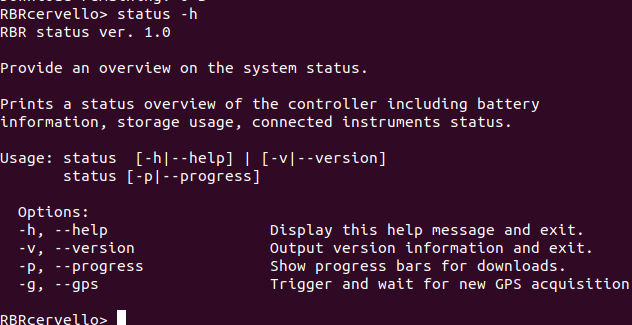
Access the RBRcervello menu via the diagnostic port. It is a fully-featured Bash terminal (Restricted Bash) with "tab" completion. To see the list of available commands, execute the "help" command. You will find all you need to deploy the RBRcervello with the RBR instruments. As a quick in-menu reference, each command displays a short manual when executed with the "-h" or "--help" argument.
RBRcervello Menu.

These are the available commands to manage RBRcervello

   disable               Disable deployment.
   status                Provide a general overview or detailed information on
                         controller and instruments.
   mount-storage         Mount the data to the host computer.
   unmount-storage       Unmount the data to the host computer.
   diagnose              Diagnostics for MLM and telemetry.
   transparent-link      Establish a transparent link to an instrument
                         serial port.
   config-check          Print the configuration of a specific RBR subsystem.
   edit-config           Edit the configuration of a specific RBR subsystem.
   set-instrument-clock  RBR instrument clock sync.
   set-cervello-clock    RBRcervello clock setter.
   cervello-clock        RBRcervello clock checker.
   scrub-controller      Clear all data stored in the SD card.
   scrub-instrument      RBR instrument scrubber.
   enable                Enable deployment according to internal configuration
                         files.
   reboot-controller     Reboot the controller.
   help                  Show this menu.
See the Diagnostic menu section for more information.