RBR pH sensor care and maintenance
General care
The RBR optical pH sensors have a pH-sensitive substrate that requires special care. Any damage will permanently affect performance.
|
Avoid direct sunlight. Never touch the sensing foil while cleaning or handling. |
|
For long-term storage (> 1 week), store the sensor cleaned and dry, with the storage cap installed when not in use. Storing the sensor wet will degrade the sensing foil. |
After a deployment
Soak the sensor face in deionised water for 10 minutes after deployment, then let it dry before storage to minimise the formation of salt crystals on the foil.
Storage
-
Store the RBR optical pH sensor in the dedicated storage cap to protect it from damage.
-
Storage caps are provided with the instrument. Contact RBR if a replacement is needed.
-
-
Store in a dry, dark place at room temperature.
-
High humidity or exposure to sunlight will destroy the sensor over time.
Avoiding damage to the foil
-
Do not use any organic solvents or surfactant solutions. Surfactants can cause irreversible damage.
-
Do not use commercially available pH electrode buffers (coloured or uncoloured). Stabilisers in those buffers will irreversibly damage the sensor.
Calibration
It is recommended to calibrate the RBRcoda OpH before each deployment. For details on how to calibrate your instrument see Ruskin User Guide: Sensors.
Replacing OpH foil
|
Required materials
|
Unscrew the foil cover using a screwdriver. |
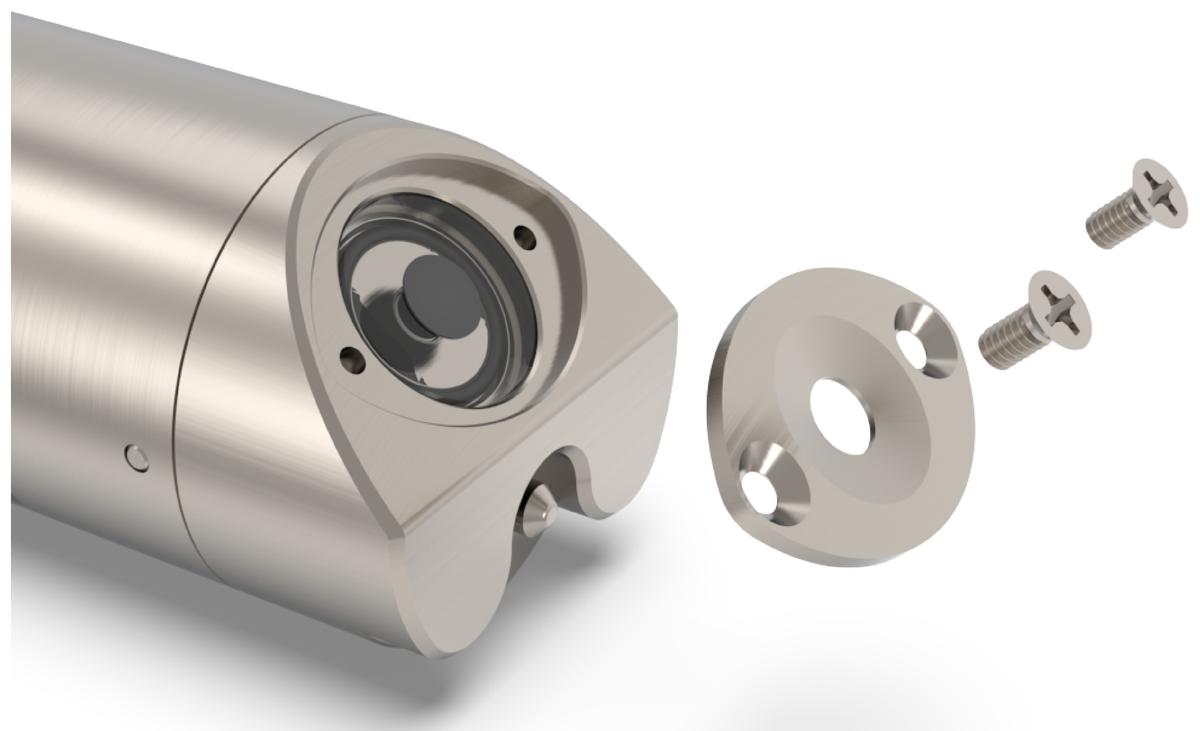
Fig. 20. Fully remove the foil cover
|
Remove the foil cover fully. Remove the foil which may be stuck to the foil cover or to the window. |
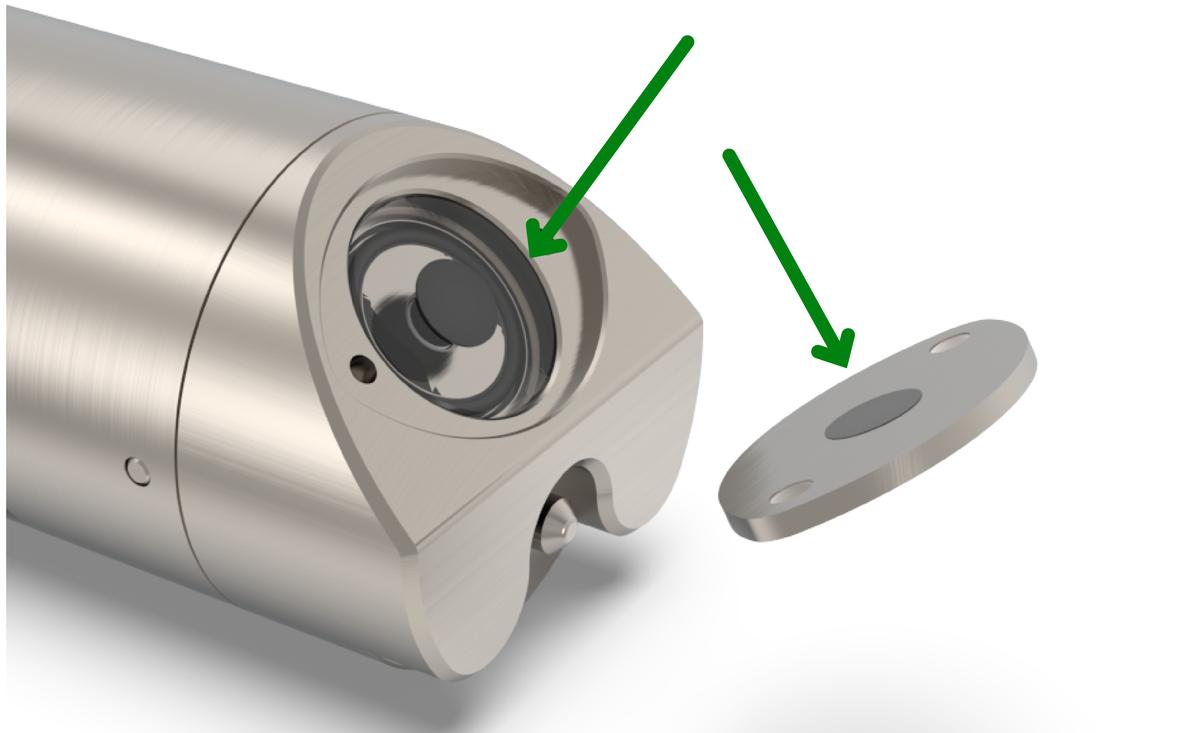
Fig. 21. Check locations indicated for the old foil before attaching a new one.
|
Remove the cover foil from the paper holding the pH foils. The top side of the spot is the sensitive pH layer, which has to be in contact with the sample/environment. See Fig. 65a. Using tweezers, remove a foil from the holding sheet |
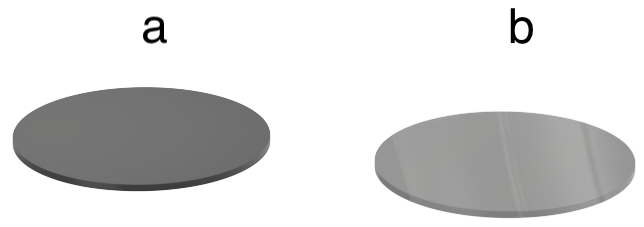
Fig. 22. The pH foils have a matt dark grey sensor side (a) and glossy plastic back side (b).
|
Place the foil in the middle of the window on the instrument. The foil must cover the entirety of the optical fibre (circular, clear part at the centre of the window) |
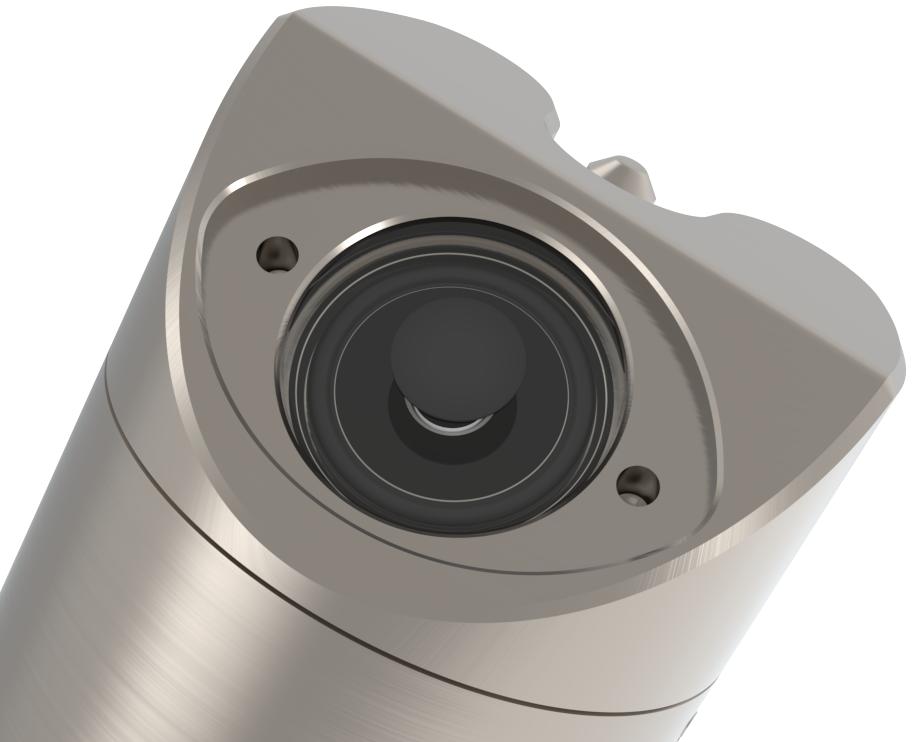
Fig. 23. Foil is covering the entire optical fibre
|
Place the foil cover back on the sensor, and make sure the foil is properly placed in the middle of the foil cover Tighten screws to secure foil cover. Alternate screw every 1/4 turn to ensure even clamping. Tighten screws 1/4 turn past snug. |
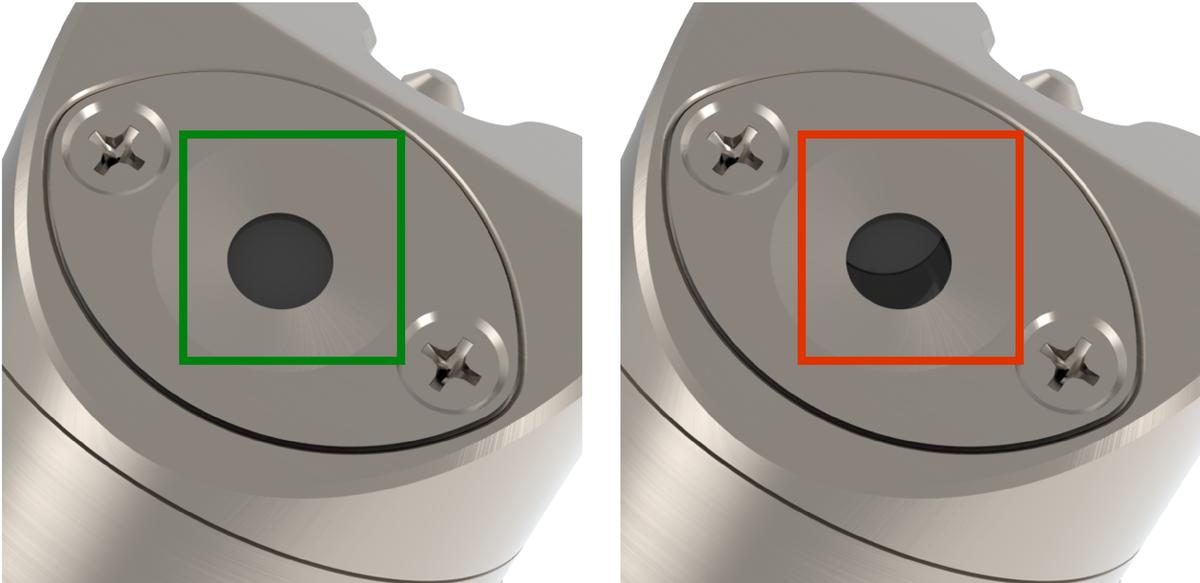
Fig. 24. Left: Correct placement of foil. Right: Incorrect placement of foil
|
Place the sensor face in water to hydrate the new foil for at least 12 hours prior to calibration |
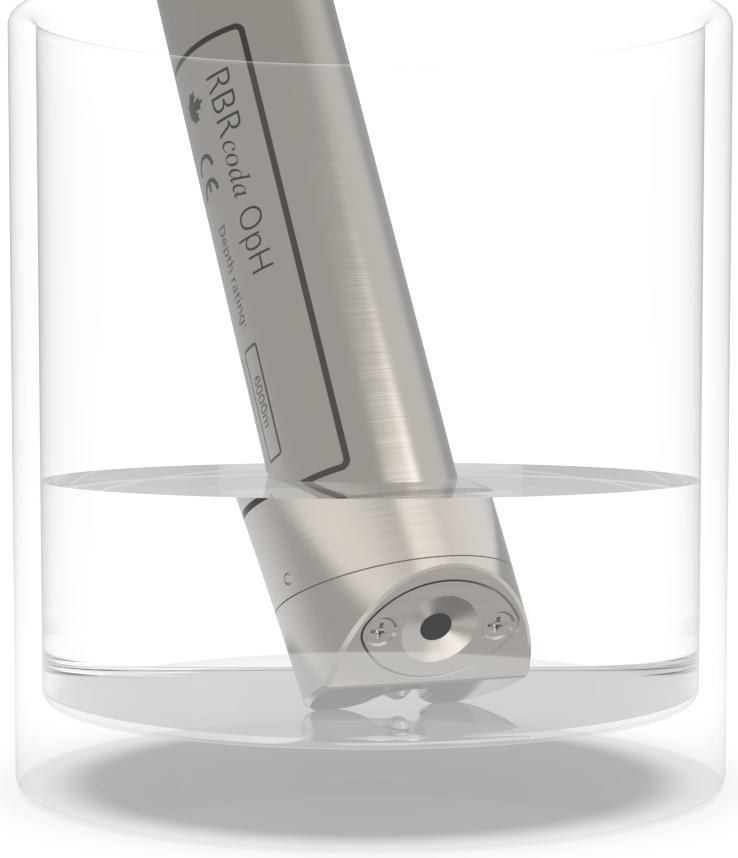
Fig. 25. Sensor face should be completely submerged
|