DO sensor (OxyGuard) care and maintenance
Check the state of your DO sensor before deployment. Look for any damage to the membrane, cloudiness of the electrode, and build-up on the anode. If you find any damage, refurbish and recalibrate the sensor. Refer to the OxyGuard Support Kit and Refurbishment Guide, included with the support kit, for instructions on refurbishing your sensor. See Ruskin User Guide: Sensors for instructions on calibration.
Support kit
RBR offers an OxyGuard sensor support kit that includes:
|
|
Storage
Store the OxyGuard dissolved oxygen sensor in the dedicated storage cap to minimise fluid loss. Storage caps are provided with the instrument. Contact RBR if a replacement is needed. |
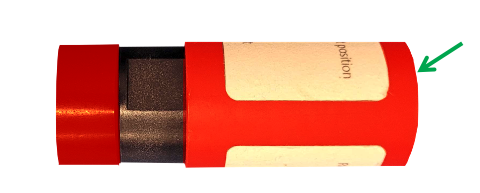
Fig. 26. Storage cap
|
O-ring The red O-ring of the OxyGuard sensor serves two purposes:
There are two positions for O-ring on the OxyGuard sensor, "Transport" and "Measurement". |
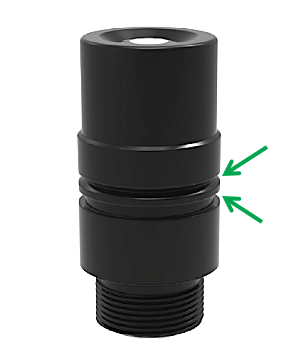
Fig. 27. Location of the transport (top) and measurement (bottom) positions
|
During transportation or storage, move the red O-ring of the OxyGuard sensor to the "Transport" position, closing off the port on the side of the cell. Before deployment, move the O-ring to the "Measurement" position to maintain the pressure balance. After deployment, return the O-ring to the "Transport" position. |
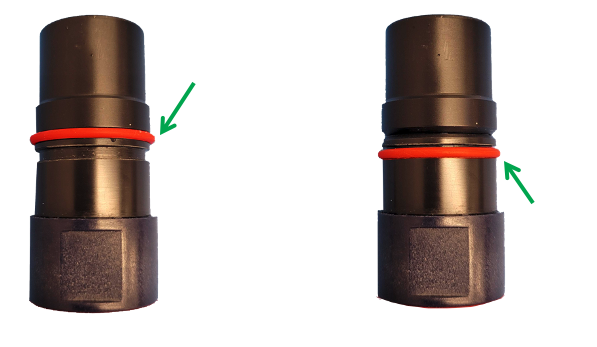
Fig. 28. Transport position (left), measurement position (right)
|