Cleaning
Clean the instrument after each extended deployment to remove deposits that may have accumulated.
|
Do not use an ultrasonic bath to clean your instruments. Ultrasonic vibrations can break the wire bonding inside the transducers. |
| Type | Procedure | Notes |
|---|---|---|
General/biofouling |
To clean the exterior, soak in a mild detergent, then scrub the instrument with a soft brush. |
Avoid scratching the plastic (scratches make future cleaning more difficult). |
Calcification, |
Soak in vinegar for six hours, then scrub the surface using a soft brush. |
Soaking in vinegar for more than 24 hours may damage the O-ring and increase the risk of a leak. |
Cleaning the pressure sensor
|
Avoid touching the diaphragm when cleaning the sensor. Any deformation will permanently affect performance. |
-
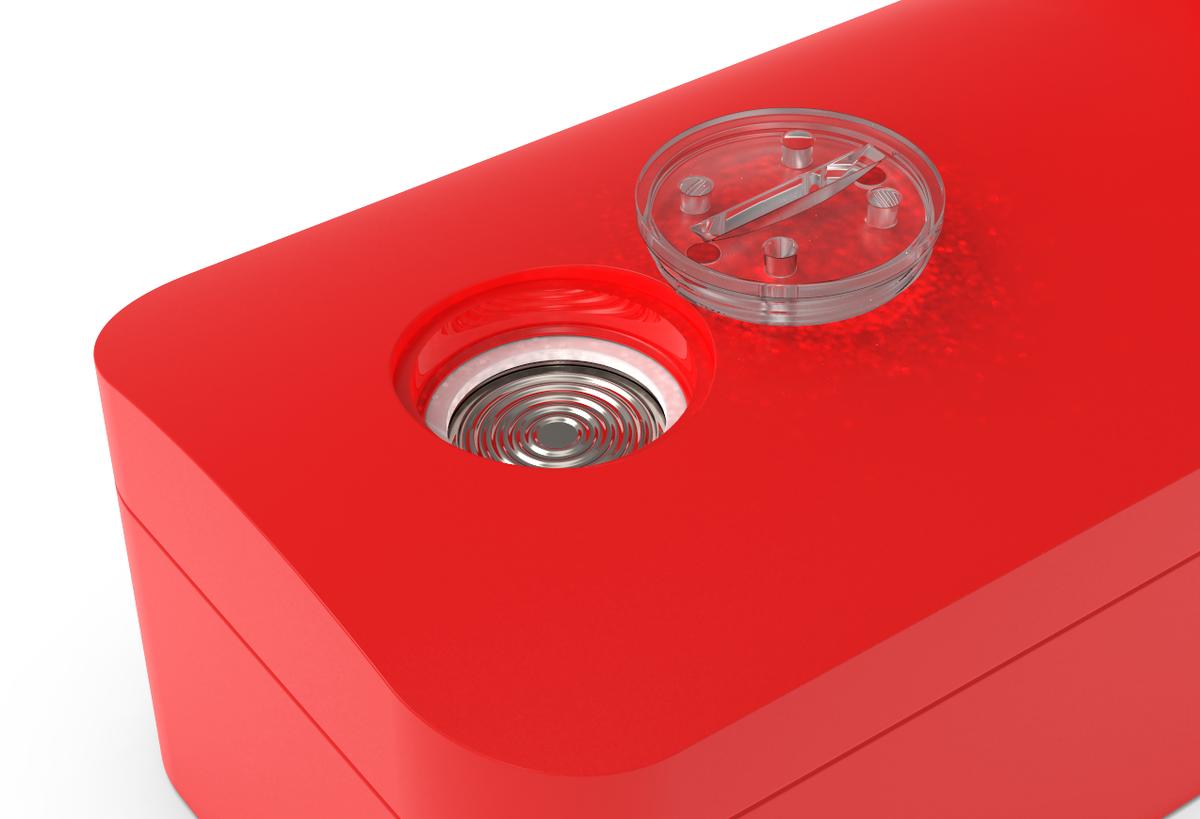
Unscrew the sensor guard using a coin or a large flathead screwdriver. Do not apply excessive force, especially when using the screwdriver.
-
Rinse the area under running water. If this fails to remove the deposits, try soaking in vinegar.
-
If unsuccessful, contact RBR.
Cleaning ODO and RBRquadrante sensors
When dirty, carefully wipe the sensors with a soft cloth. To remove encrustation, soak in water until soft. It may take hours or days, depending on the severity.
|
Do not use abrasive cloths as scratched faces can affect calibration. |
Cleaning RBRtridente
RBRtridente design makes it resilient to corrosion and thus allows for more rigorous handling than other fluorometers.
See the table above for cleaning procedures.